5 Things Everyone Should Know About Cataracts

Cataracts… We’ve all heard about them—indeed, you may well have a relative who’s undergone cataract surgery. But did you know that despite a simple procedure being available to treat the condition, it’s still one of the leading causes of blindness around the world?
The World Health Organization states that by the age of 80, virtually every person will either have cataracts or have had them removed. This makes knowing a little about the condition something everyone should be aware of.
The following looks at the 5 things that everyone should know about cataracts, whatever their age.
Essential Cataract Knowledge
- Cataract fact #1
- Cataract fact #2
- Cataract fact #3
- Cataract fact #4
- Cataract fact #5
Cataract fact #1
Cataracts are treatable. Simple surgical procedures exist that can remove cataracts and restore clear vision. These treatments have advanced dramatically over the past couple of decades. Today, you can expect a cataract removal to take around 20 minutes, with full recovery taking only 6-8 weeks. You’ll return home the same day and will be encouraged to carry out activities, such as watching the TV, within hours.
Cataract fact #2
Cataracts form very slowly. They typically take years to form, making early diagnosis vital to monitor their progression. Surgical removal and the insertion of a replacement lens should take place at a strategic time to ensure that you don’t undergo an unnecessary treatment before it’s required, but that you also don’t suffer significant vision impairment for longer than you should.
Cataract fact #3
Most cataracts have no symptoms at first. It can take years for a cataract to progress to the stage where it causes vision problems. In addition, because they form so slowly, you’ll likely not notice the early signs, such as issues with reading in low light or difficulties driving at night.
Cataract fact #4
Artificial lenses exist that are bifocal and varifocal. The latest, premium intraocular lenses are as good as, if not better, than those you typically find in eyeglasses. They can provide both near and far vision correction, or even work in conjunction with the eye muscles and mimic exactly how natural lenses work.
Cataract fact #5
Cataracts aren’t only an age-related condition. Cataracts can also affect newborns or young children, albeit rarely. This is often down to genetics, disease, or infection while in the womb. Cataracts can also form after trauma to the eye, such as a head injury or penetrating trauma. In such cases, this medical emergency requires treatment from an ophthalmologist who specializes in such surgery.
While cataracts are something that we can all expect to suffer from if we reach a ripe old age, there are steps we can take to reduce the risk.
These include:
- Not smoking or giving up if you do
- Eating a sensible diet with a wide variety of nutrients
- Wearing good quality sunglasses when outside
- Making healthy lifestyle choices, such as moderate alcohol consumption, keeping weight to within recommended levels, and taking regular and adequate exercise
- Protecting your eyes from practices known to cause damage, such as when welding or working in areas where small projectiles are likely
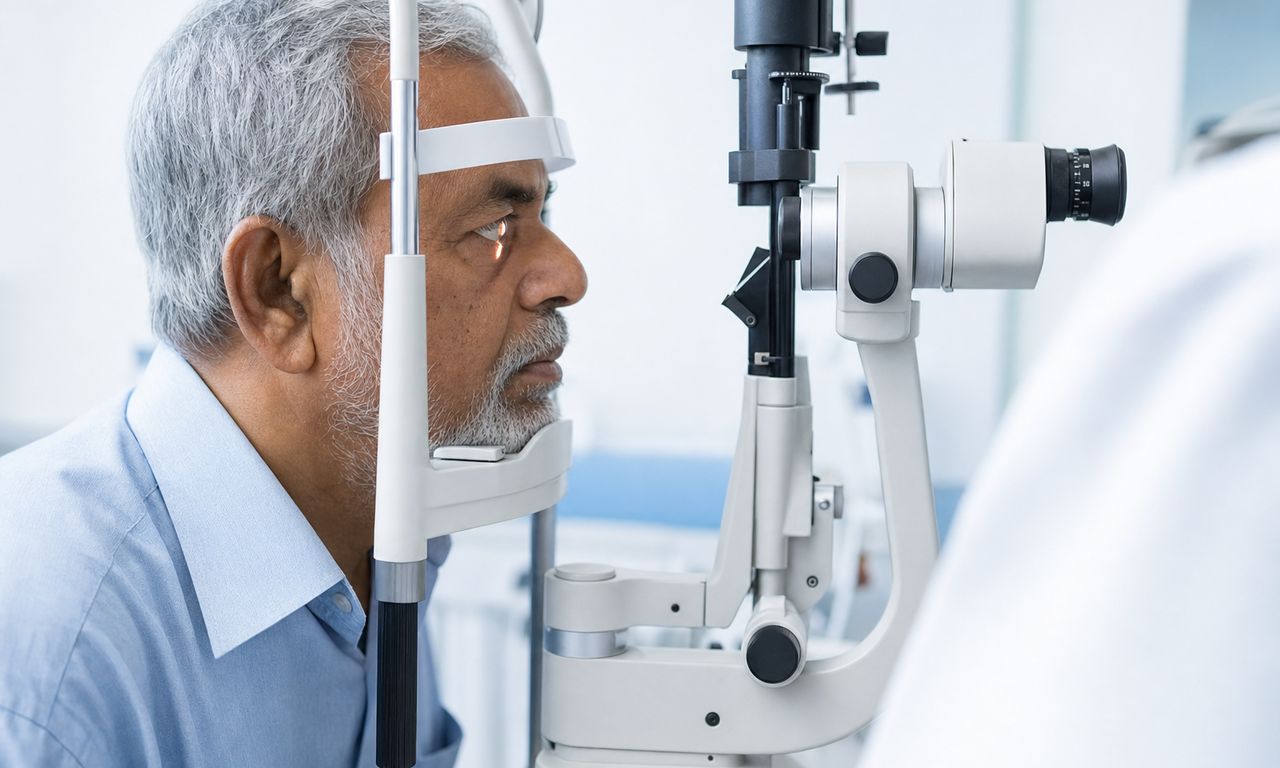
- Having annual eye examinations
Ready to take the next step? Browse our directory of top cataract surgeons and read real patient reviews before you choose.
This article is general information about cataract surgery, not medical advice, and it is not a substitute for consultation with a qualified ophthalmologist. Read our medical disclaimer.
Choosing a Cataract Surgeon?
Compare 304 top cataract surgeons with real patient reviews, ratings, and locations.
Browse the directory · Search by ZIP · Read the national guide
Latest Articles

Toric IOL for Astigmatism: A Surgeon's 2026 Guide

Same-Day Cataract Surgery on Both Eyes (ISBCS): A Surgeon's 2026 Guide
Pseudoexfoliation Syndrome and Cataract Surgery: What Patients Should Know