Almost All Risks From Cataract Surgery Are Avoidable!
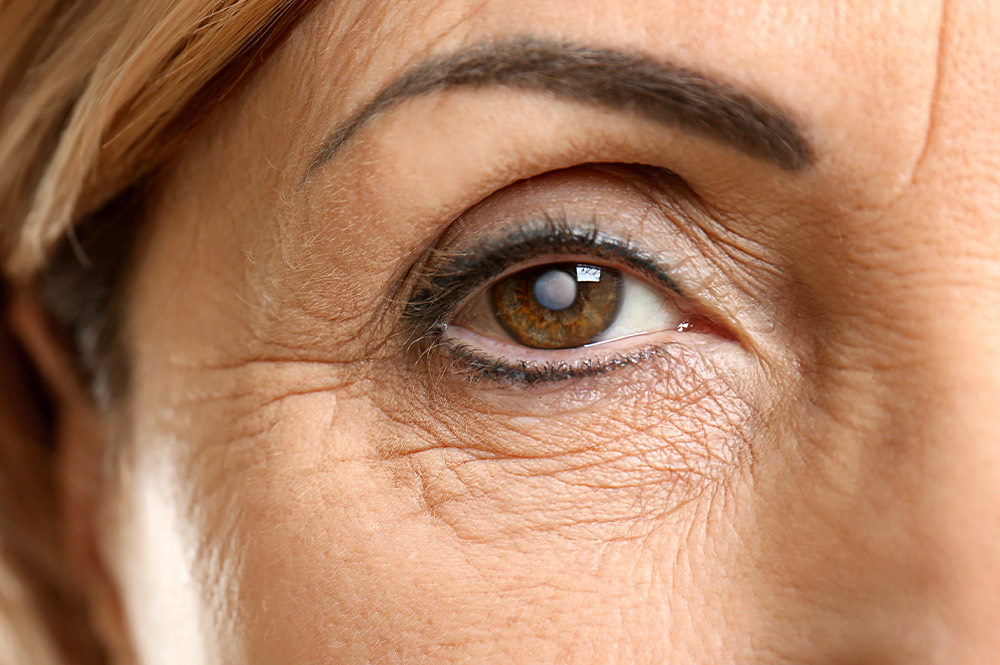
Cataract surgery is one of the most commonly performed operations in the USA. Over a million are carried out each year—and it’s no wonder, as the procedure is massively sight-enhancing. As medical science means we’re living longer, healthier lives, so great vision allows us to carry on doing the things we love for longer.
Of course, as with any invasive procedure, there are risks, But with cataract surgery, these are low. Plus, virtually every one of them is avoidable. Read on to discover more about how to reduce your chances of a postoperative problem to pretty much zero…
Cataract Risks: what they are and how to avoid them
- An overview of cataract surgery
- The risks of surgery
- Avoiding risk
An overview of cataract surgery
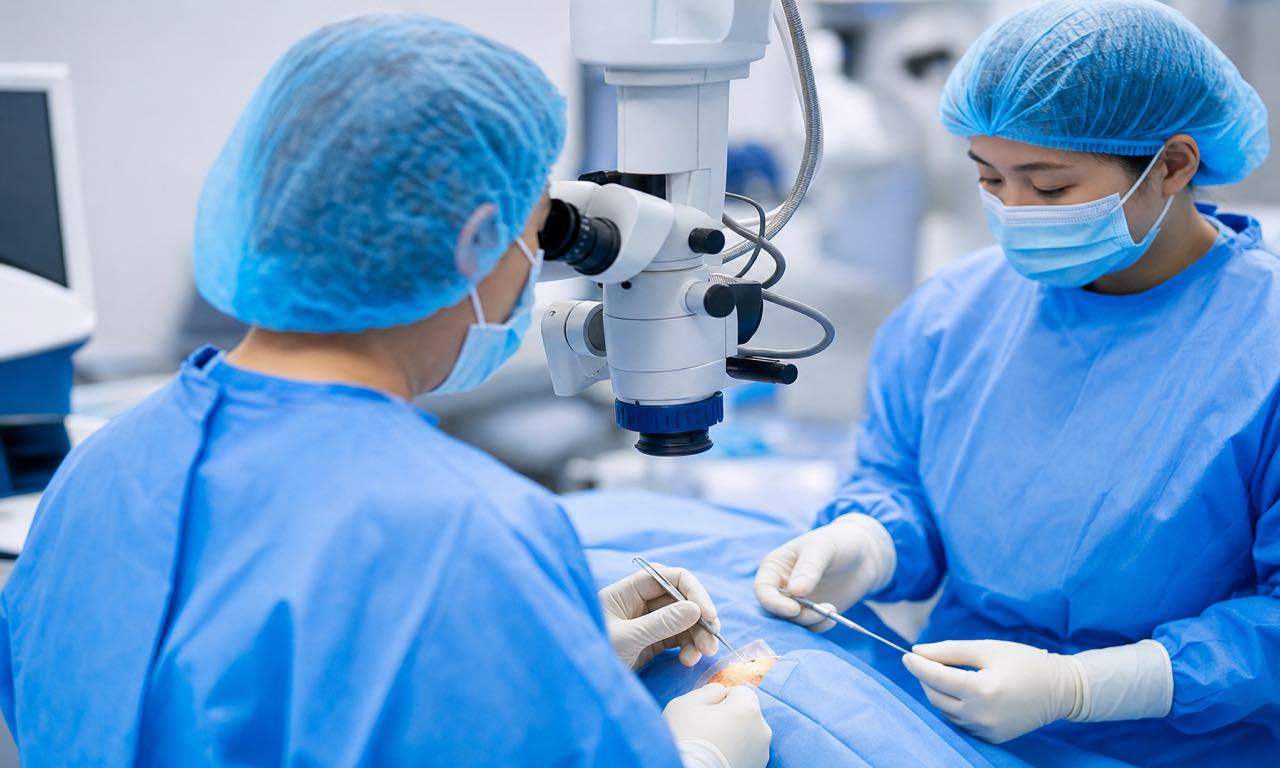
Cataract surgery is, without a doubt, one of the marvels of modern technology. From cloudy, blurred vision (that, if the cataract is allowed to evolve, will cause blindness) to 20:20 vision or better, all with a quick 30-minute procedure.
The operation is performed on a day-patient basis in the doctor’s office. After light sedation and the administration of analgesia, an instrument is fitted over the eye to keep it open. The surgeon uses a laser to make a small incision in the cornea and enter the lens capsule. The diseased lens is then broken down through a process known as phacoemulsification. These pieces are suctioned out and an artificial lens is secured in its place.
After a short recovery period of around 6-8 weeks, your eyesight will be pretty much as good as new.
The risks of cataract surgery
OK, so that all sounds great. But, naturally, there are some risks. Your surgeon will advise you of these before you undergo any procedure, but they can be summarized as follows.
- Possible blurred vision
- Some loss of vision
- A detached retina
- A dislodged artificial lens
- The formation of a (inaccurately named) secondary cataract
It’s important to stress that the chance of any of these happening is extremely low. Only 1-2% of people experience any of the above (with the exception of a secondary cataract that can happen in around 25% of cases. This is easily resolved with a one-off, 5-minute procedure in the doctor’s office that sorts the problem for good).
Avoiding risk
However… Now for the good news. Pretty much all of the risks mentioned above are avoidable.
The key to avoiding risk is to:
- Opt for laser-assisted cataract operation that offers the most accuracy for lens placement.
- Follow the aftercare advice to the letter. Protect the eye as instructed, avoid any strenuous movements for the first few weeks, and be meticulous about cleanliness to avoid any post-op infection.
- Avoid alcohol during the first few days after the operation.
- Take any prescribed medication as required.
- Eat a healthy diet
- Don’t smoke or vape
Plus, use the services of the best cataract surgeon you can find.
It’s a low-risk op in the first place. And with all of the above, you can pretty much bring this down to zero.
Find the right surgeon for you: search our directory and read real patient reviews before you book.
This article is general information about cataract surgery, not medical advice, and it is not a substitute for consultation with a qualified ophthalmologist. Read our medical disclaimer.
Choosing a Cataract Surgeon?
Compare 304 top cataract surgeons with real patient reviews, ratings, and locations.
Browse the directory · Search by ZIP · Read the national guide
Latest Articles
Toric IOL for Astigmatism: A Surgeon's 2026 Guide

Same-Day Cataract Surgery on Both Eyes (ISBCS): A Surgeon's 2026 Guide
Pseudoexfoliation Syndrome and Cataract Surgery: What Patients Should Know