Are All Cataract Surgeons as Skilled?
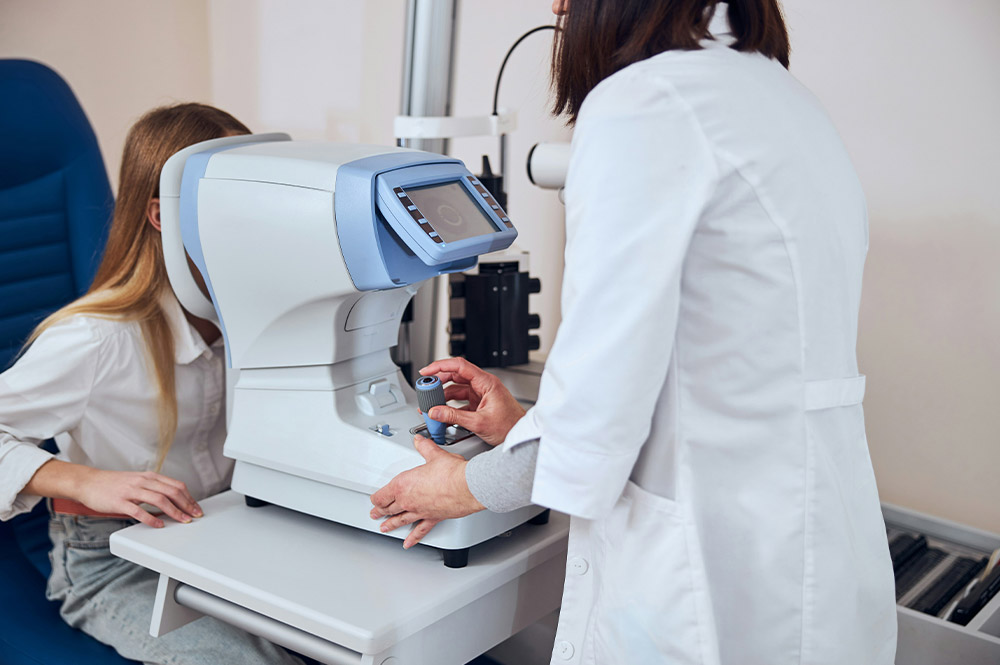
Cataract surgery is the most commonly carried out procedure in the US—well, in the world, actually. But is every surgeon who performs an operation an equal? While, of course, every ophthalmologist has gone through many (many!) years of training to qualify and build their skills, as with every profession, you get experts in every subject.
Therefore, the question surrounding the skill of such a clinical professional would be better phrased as:
“Are all cataract surgeons as skilled at performing operations on every type of cataract?”
This question brings us to a whole different ball game…
Are All Cataract Surgeons as Skilled at Performing Operations on Every Type of Cataract?
- Surgical skills for “regular” cataracts
- When specialist skills are needed
Surgical skills for “regular” cataracts
OK, so if you’ve got cataracts, you’ll know that they’re far from regular. However, what’s meant by this is that you don’t have any other preexisting conditions, such as diabetes or glaucoma, that might make an operation slightly higher risk.
Age-related cataracts in an otherwise healthy person in their 60s or 70s—and a person who doesn’t require some of the technologically advanced intraocular lenses (IOLs) that are available—will be well served by most cataract surgeons across the country.
There are two types of cataract operations:
- Traditional cataract surgery
and
- Laser-assisted cataract surgery
If you require a more advanced IOL, then you’ll require the latter type of operation. The same applies if you’d like to have astigmatism treated at the same time.
When specialist skills are needed
If you have other medical conditions, then it’s highly likely that you’ll need the skills of a specialist. Such conditions that make a cataract operation more intricate include:
- Diabetes
- Diabetic eye disease
- Glaucoma
- Hypertension
- HIV
- High myopia
- Previous eye infections
- A very small pupil
- Age-related macular degeneration
- A previous retinal detachment or retinal tear
- Issues with your cornea
- Very advanced age
We should also add traumatic and pediatric cataracts to the list, both of which will need to be treated by a clinician who specializes in this area.
You might also be advised by your eye doctor that the anatomy of your eye poses surgical challenges. While this doesn’t prevent you from having a successful cataract procedure, it may well mean that you need to be treated by a specialist.
It will, undoubtedly, be somewhat intimidating to be told that you have a condition that raises the risk of cataract surgery. However, you can rest assured that the surgeons who’ve spent years (and, more likely, decades) honing their skills to become experts in their field will ensure that you’re in safe hands. You might require a little extra pre-op care to accurately map the interior geography of your eye and you’ll absolutely be advised of the potential risks, but you should be comforted by the fact that cataract operations—even the most intricate ones—have an incredibly high success rate.
Even if you have other conditions that make your cataract op a little riskier, this is usually outweighed by the risk of losing your eyesight completely if you don’t have the cataract treated.
Find the right surgeon for you: search our directory and read real patient reviews before you book.
This article is general information about cataract surgery, not medical advice, and it is not a substitute for consultation with a qualified ophthalmologist. Read our medical disclaimer.
Choosing a Cataract Surgeon?
Compare 303 top cataract surgeons with real patient reviews, ratings, and locations.
Browse the directory · Search by ZIP · Read the national guide
Latest Articles
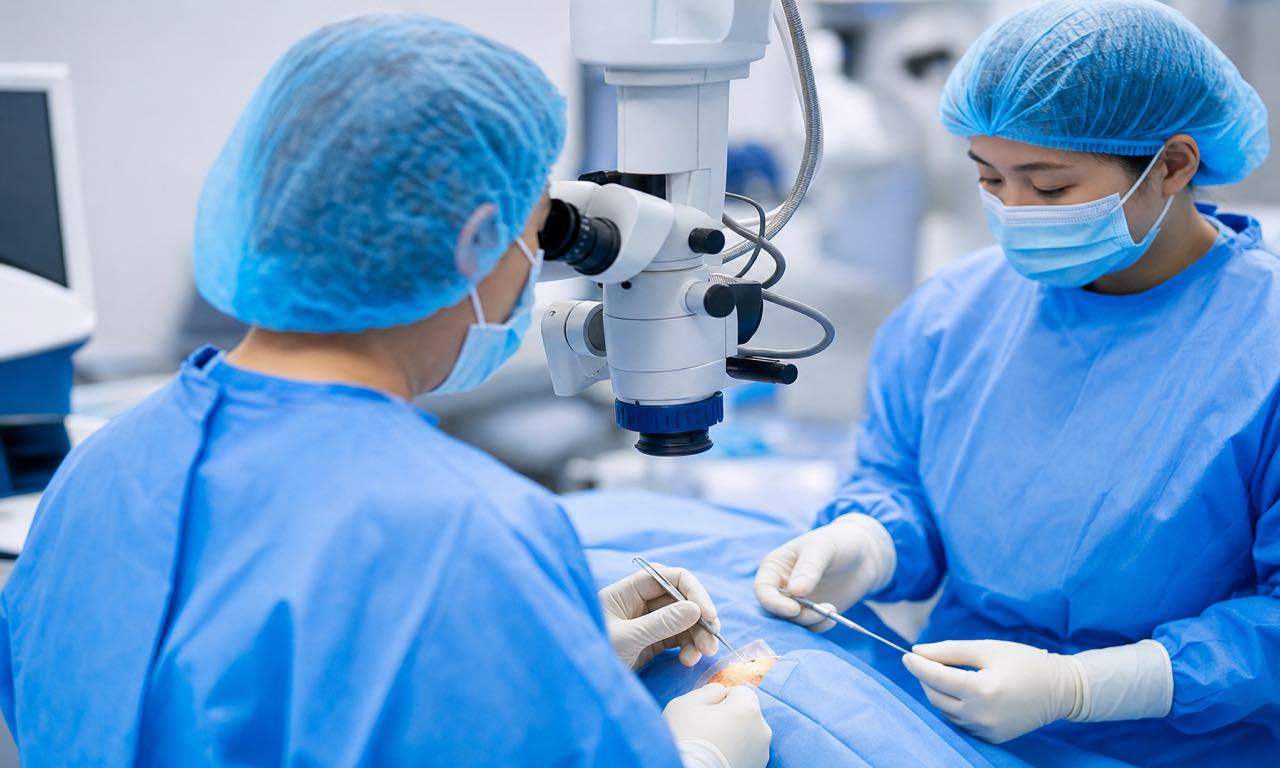
Cataract Surgery with Glaucoma: How Combined MIGS Procedures Work in 2026

Cataract Surgery with Macular Degeneration: Will It Help Your Vision?

Endophthalmitis After Cataract Surgery: Warning Signs, Incidence, and Modern Prevention