Cataract Surgery Anesthesia Guide
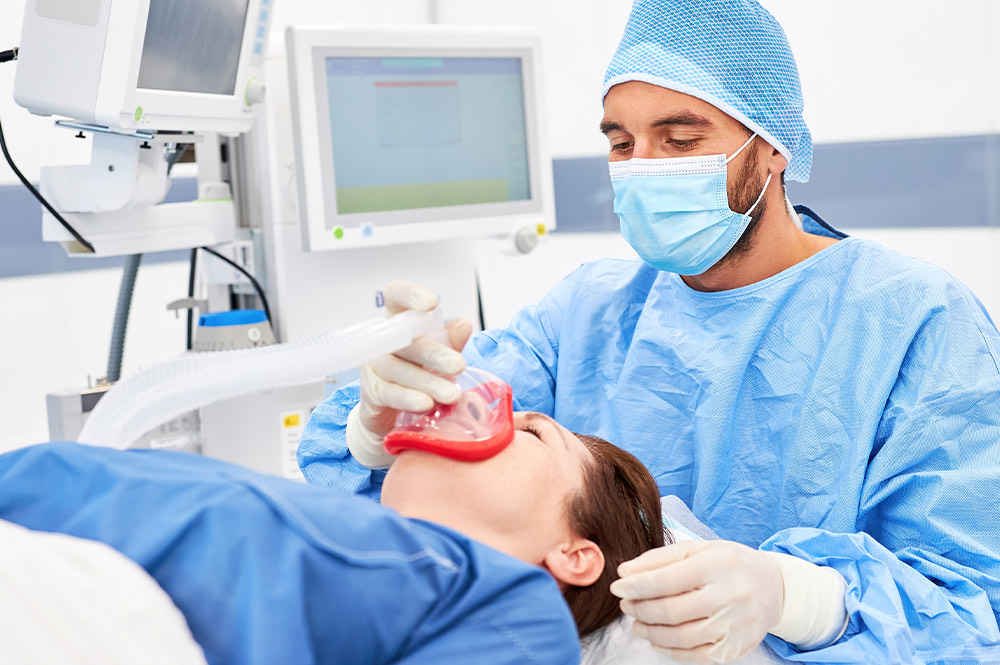
Pretty much every surgical cataract procedure today is carried out in the doctor’s office under a local anesthetic. This means that you’ll be awake for the duration. Of course, there is always the exception to the rule, meaning that, very rarely, the operation might be carried out under full general anesthetic.
Cataract Surgery, Anesthesia, and Guide to Treatment Options
- The different anesthesia options used during cataract surgery
- The rare occasions when general anesthesia might be used
The different anesthesia options used during cataract surgery
When it comes to local anesthetic, your surgeon has a variety of options to ensure that you don’t feel anything during the procedure. As well as numbing the area, you’re likely to be given a mild sedative to ensure that you remain calm and don’t move around during the operation. In fact, many people are so relaxed from this medication that they don’t really remember what happened.
The common anesthetics used during a cataract operation are one or a combination of the following:
- A topical anesthesia: This is applied through drops into the eye and/or lidocaine injections. Not only does this prevent you from feeling the cataract removal process, but it also provides effective pain relief during the hours that follow.
- A retrobulbar block: This is generally used in conjunction with a lidocaine injection. It involves injecting a medication into the space behind the eye, known as the retrobulbar area. This has a threefold effect—it paralyzes the muscles around the eye, blocks the nerves that are responsible for eye globe movement, and prevents sensation in the soft tissues of the eye. Together, these mean that you can’t feel anything and that the eye and surrounding muscles remain still.
- A facial nerve block: This works in much the same way as the retrobulbar block, preventing the facial muscles around the eye from moving.
The rare occasions when general anesthesia might be used
While local anesthetic is the preferred option for cataract operations, there are some circumstances when a general anesthetic is used. There are further risks with such a procedure, which is why it will only be offered if there’s a valid reason why someone can’t undergo a cataract operation whilst awake.
These include those who suffer from a condition that means they might not be able to remain still during the procedure. This could include acute anxiety, having complex mental and/or emotional needs, or in young children.
If a general anesthetic is performed, you’ll be put to sleep either by gas, injection, or a combination of the two. A tube will be placed into your airway to assist with breathing (you’ll be paralyzed by medication whilst you’re under the anesthetic), and a specialist consultant—an anesthetist—will constantly monitor you while you’re asleep. Once the procedure is completed you’ll be given further drugs to bring you out of the induced sleep and monitored for some hours to ensure there are no side effects from the medication.
Not sure where to start? Compare top-rated cataract surgeons in our directory and read verified patient reviews.
This article is general information about cataract surgery, not medical advice, and it is not a substitute for consultation with a qualified ophthalmologist. Read our medical disclaimer.
Choosing a Cataract Surgeon?
Compare 303 top cataract surgeons with real patient reviews, ratings, and locations.
Browse the directory · Search by ZIP · Read the national guide
Latest Articles

Cataract Surgery with Glaucoma: How Combined MIGS Procedures Work in 2026

Cataract Surgery with Macular Degeneration: Will It Help Your Vision?

Endophthalmitis After Cataract Surgery: Warning Signs, Incidence, and Modern Prevention