Eyelid Drooping After Cataract Surgery
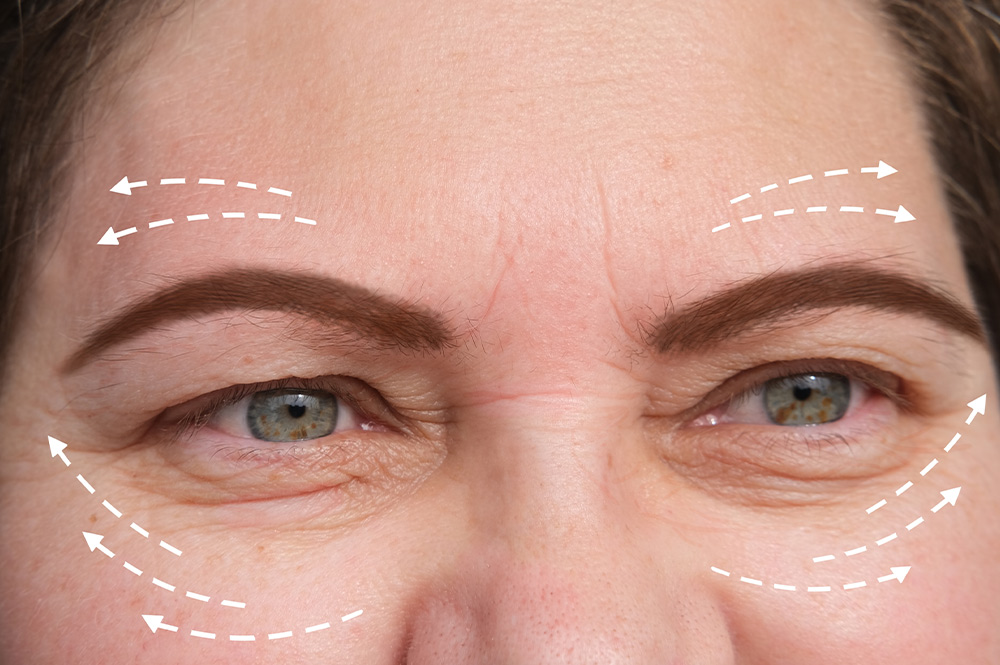
The short answer: a drooping eyelid (ptosis) after cataract surgery is relatively common, affecting up to 21% of patients. It is usually caused by the instrument that holds the eyelid open during surgery, and most cases resolve on their own within weeks to months. If it persists past six months, a minor corrective procedure has an extremely high success rate.
Incidences of an eyelid drooping after cataract surgery are relatively common. Although the exact percentage is a little difficult to calculate, it’s believed to be anything up to 21%. The most likely cause is the instrument (called a speculum) that’s used to hold the eyelid open while the surgeon works.
However, there are steps that can be taken to reduce the risk and, if you do suffer, the problem usually resolves itself over a few weeks or months.
Everything You Need to Know About Eyelid Drooping After Cataract Surgery
- Ptosis: the clinical name for a droopy eyelid
- Steps to reduce the risk
- What can a surgeon do to fix an eyelid drooping after cataract surgery?
Ptosis: the clinical name for a droopy eyelid
A droopy eyelid, or ptosis, can occur at any time—not just after cataract surgery. The likelihood of it happening after a procedure is usually attributed to:
- Use of the eyelid speculum: This holds the eyelid out of the way. The longer it’s in place, the higher the chance that there may be damage to the delicate tissue or nerve structures.
- Post-operative swelling: Inflammation can cause the eyelid to droop, although this is generally transient.
- Tissue trauma: Bleeding during the procedure or afterward can cause ptosis.
- The anesthetic that is used to numb the eye: Studies show that injected anesthetic may play a role in muscle fiber weakness. If this occurs, the body naturally repairs this during the 8-12 weeks after surgery.
Thankfully, most cases aren’t permanent. They usually go away on their own within six months.
Steps to reduce the risk
These include steps taken by your surgeon and yourself, both before and after surgery.
Your surgeon will:
- Use as little injected anesthetic as possible: Topical anesthesia is used as much as possible, as this doesn’t have the associated risks that come with those that are injected.
- Use advanced techniques to reduce the amount of time the speculum is in place: Such as laser-assisted cataract surgery, where the internal structures of the eye are precisely mapped by computer, helping to streamline the whole procedure. This is especially important in more complex cataract procedures.
You should:
- Be meticulous in post-operative hygiene: This reduces the chance of infection and the associated swelling that can be a cause of a droopy eyelid.
- Eat a healthy diet and drink plenty of water: To provide the body with what it needs for a fast, healthy recovery.
- Don’t smoke: As this actively prevents healthy healing and increases the likelihood of unwanted post-op side effects.
- Reduce alcohol intake: Again, to help with the healing process.
- Use eyedrops, medication, and pain relief as instructed: This promotes tissue healing and reduces the chance of infection.
What can a surgeon do to fix an eyelid drooping after cataract surgery?
If you’re unlucky enough to suffer from a droopy eyelid after cataract surgery, take heart that the vast majority of cases resolve naturally in a few weeks or months. Should ptosis still be a problem after six months, then your surgeon will consider a surgical repair. It’s a minor procedure that’s usually done under local anesthetic and has an extremely high success rate/
Related reading: Streaks of Light in Vision After Cataract Surgery and What to Expect 6 Months After Cataract Surgery.
Ready to take the next step? Browse our directory of top cataract surgeons and read real patient reviews before you choose.
This article is general information about cataract surgery, not medical advice, and it is not a substitute for consultation with a qualified ophthalmologist. Read our medical disclaimer.
Choosing a Cataract Surgeon?
Compare 303 top cataract surgeons with real patient reviews, ratings, and locations.
Browse the directory · Search by ZIP · Read the national guide
Latest Articles

Cataract Surgery with Glaucoma: How Combined MIGS Procedures Work in 2026

Cataract Surgery with Macular Degeneration: Will It Help Your Vision?

Endophthalmitis After Cataract Surgery: Warning Signs, Incidence, and Modern Prevention