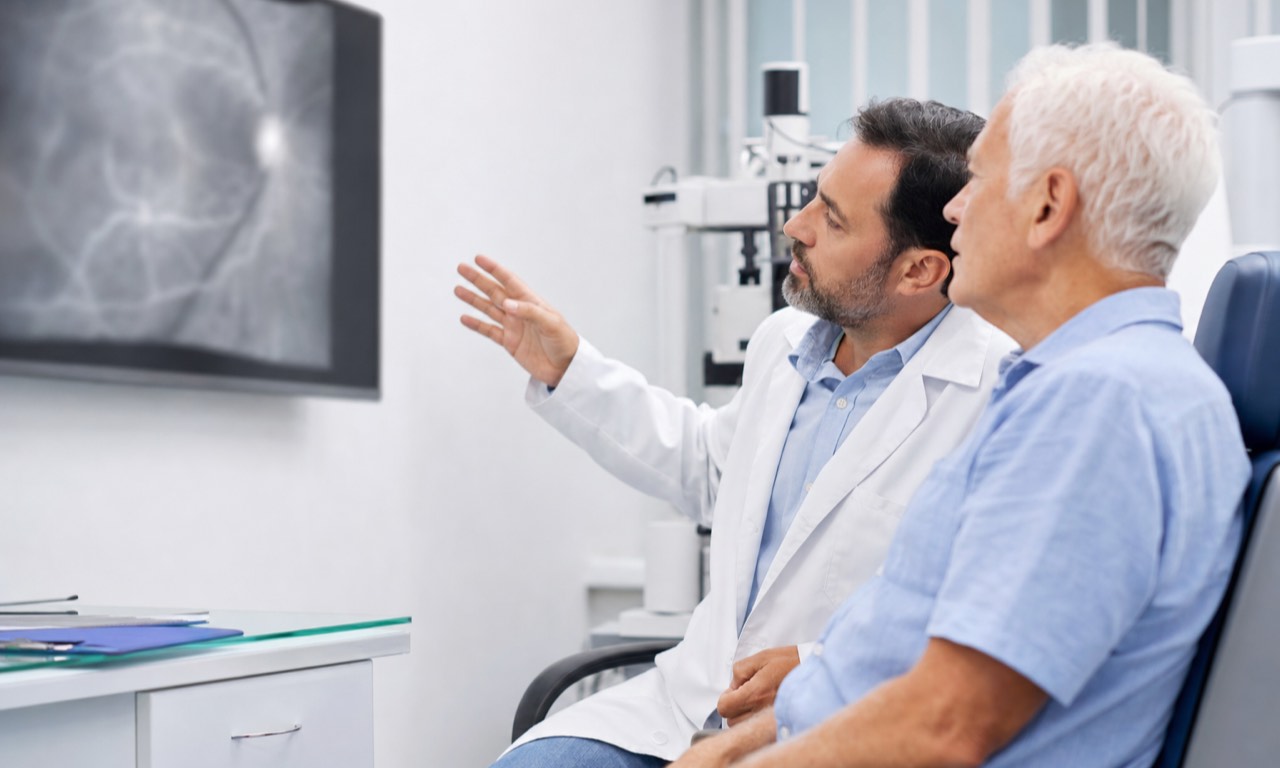
How Smoking Impacts Cataract Progression and Outcomes

The health risks of using tobacco are well documented, affecting every part of the body, health, and longevity. The link between smoking and cataracts is also well understood, with the habit having a negative effect on both the progression of the disease and the post-op healing process.
Smoking Risks, Cataract Surgery, and Post-Operative Recovery
Don’t worry, this isn’t a lecture on lifestyle choices and the best ways to quit smoking. But we truly believe that clear, honest information is the key to making decisions about your health.
So! Smoking and cataracts... Let’s look at how any kind of tobacco use, be it through cigarettes, cigars, joints, a hookah, chewing, taking snuff, or even smokeless products, like vapes, has a negative effect.
One of the main drugs in tobacco (or vapes) is nicotine. There’s a whole bunch more—thousands, in fact—but this isn’t a lesson on chemical content.
The biggest issues with the nicotine and other toxins in smoking products is that they cause inflammation, speed up the aging process, and cause global oxidative stress within the body. While many people know this is the case with tobacco and vape products that you inhale, it can come as a surprise to some that this is also the case if you chew tobacco or take snuff.
OK, so let’s look at what this means for cataracts…
- Faster aging reduces the flexibility of the eye lens, allowing cataracts to form at an earlier age and/or progress at a faster rate.
- Cause an imbalance between good molecules (antioxidants) and the ones that cause harm at cellular level (free radicals).
- Reduce blood flow to the eye, which in turn reduces adequate hydration and nutrients being delivered to the tissues.
The last point in particular is very relevant to healing after a cataract operation. The cells of the body need the correct fuel and hydration to heal. Smoking and tobacco use directly impact this, meaning that the habit can not only slow the healing process, but prevent the best recovery as well.
The habit can:
- Increase the risk of infection and other complications.
- Make you more prone to post-op issues, like dry eye and irritation.
- Mean it takes longer for you to get back to normal activities.
All this information makes for grim reading, but happily there’s great help available if you’re keen to reduce your use or quit entirely. And, even more great news, the benefits of stopping start to take effect within the first few days and weeks of stopping.
Small Changes for a Cataract Prevention Lifestyle
If you’re fortunate enough to live into your late 70s or 80s, then age-related cataracts are almost inevitable. They’re a natural part of aging but there’s a lot you can do to:
a) Help stave off unnaturally fast progression
and
b) Ensure your body is in the best health possible for a speedy post-op recovery.
Stopping smoking is by far the best thing you can do for this. But pair it with other small lifestyle changes for even more of a power punch. These include:
- Protect the eyes from UV rays: By wearing good quality sunglasses when outdoors. A hat with a brim is also great protection.
- Manage any chronic conditions: Like diabetes and high blood pressure.
- Increase antioxidant-containing foods: Fruit, veg, oily fish, pulses, and products high in vitamins C, E, lutein, and zeaxanthin.
- Reduce alcohol intake: Keep consumption as low as possible. While it’s now accepted that the only healthy level is zero, the key message is to limit how much you drink to as little as possible, rather than advising a “safe” number of units per week.
- Stay active: All movement counts, including walking, gardening, playing with the grandkids… It doesn’t have to mean hitting the gym or running a marathon.
- Maintain a healthy weight: Easier said than done, we know, but increasing activity levels and adopting a healthier diet will help.
- Get regular eye tests: This can’t be overstressed, because this is how cataracts are diagnosed and monitored. It also means that your eye doctor will advise on the optimal time for them to be removed, which also promotes optimal healing.
Of course, you’re also going to want the best surgeon when the time comes to operate. Modern Cataract Surgery makes this easy by connecting you with leading cataract ophthalmologists across the USA.
Use our directory to find a top cataract surgeon near you and compare real patient reviews before you decide.
This article is general information about cataract surgery, not medical advice, and it is not a substitute for consultation with a qualified ophthalmologist. Read our medical disclaimer.
Choosing a Cataract Surgeon?
Compare 303 top cataract surgeons with real patient reviews, ratings, and locations.
Browse the directory · Search by ZIP · Read the national guide
Latest Articles
Cataract Surgery with Glaucoma: How Combined MIGS Procedures Work in 2026

Cataract Surgery with Macular Degeneration: Will It Help Your Vision?
Endophthalmitis After Cataract Surgery: Warning Signs, Incidence, and Modern Prevention