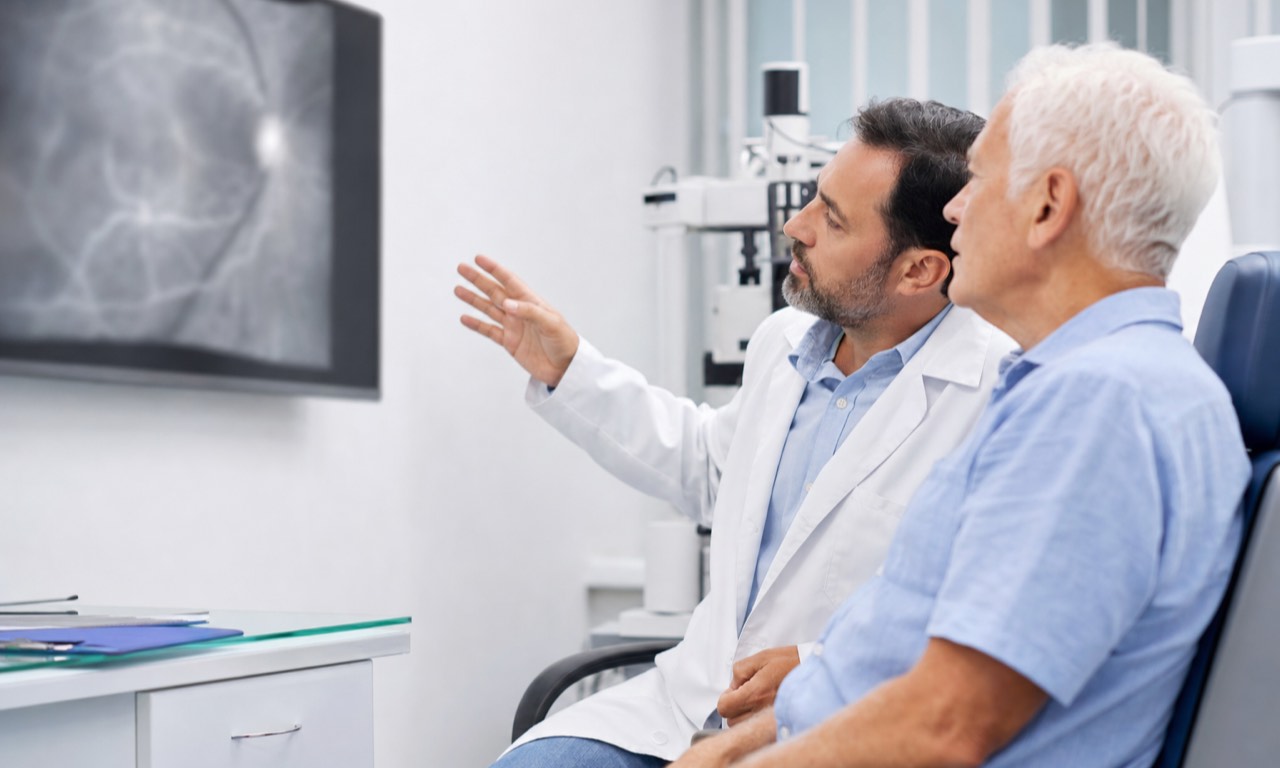
Is Cataract Surgery Safe for Patients with Glaucoma?
Cataract surgery with glaucoma is estimated to account for between 15%-25% of all cataract surgeries in the US. According to the American Academy of Ophthalmology, by 2050, this will mean that over 7 million cataract procedures per year will be performed on those with glaucoma.
While any co-existing condition does raise the risk factor of a cataract procedure, experienced surgeons and ever-advancing surgical methods mean that you shouldn’t be put off going under the knife. Your ophthalmologist will advise you of the cataract surgery risks that apply to you as these are unique to your eye condition.
Advances in Cataract Surgery Reduce the Risk Factors
The last decade has seen incredible leaps in how the procedure is performed, and this is only set to continue. Indeed, these have led to the advent of combined cataract and glaucoma treatment, something that the patients and surgeons of yesteryear could only have dreamed about.
Such a procedure is termed “Microinvasive Glaucoma Surgery” (MIGS) and, when carried out as a secondary surgery during a cataract operation, has a minimal impact on the healing and results. Naturally, the type and severity of glaucoma will also need to be considered, which is why such procedures should be carried out by a suitably experienced surgeon.
Glaucoma and IOLs
One of the most important decisions that you and your cataract surgeon will discuss is the choice of intraocular lens. There are many different types of these, but the suitability of more advanced, or premium, lenses will be dependent on how advanced the glaucoma is.
Having glaucoma doesn’t necessarily mean that you can’t take advantage of a premium lens, but it will be influenced by how much the condition affects your vision. Contrast sensitivity, which is how well your eyes can distinguish between an object and its surroundings, can be decreased by both glaucoma and some advanced lenses. This is particularly noticeable in low-light conditions. For this reason, many surgeons will recommend that monofocal IOLs are the best option.
Even if this applies to you, the benefits of a cataract procedure will still be profound. The monofocal lens is usually set at a prescription for far distance. This means that you’ll have a good chance of only needing eyeglasses for close-up vision, rather than bifocals or two different pairs entirely.
Managing the Risks of Cataract Surgery with Glaucoma
There are plenty of ways that an experienced surgeon can reduce the risk factor, both during and after cataract surgery. These include:
- Keeping the intraocular pressure stable: Good management, either with eyedrops, medication, or other methods, to ensure the glaucoma is stable before, during, and after the operation.
- Using glaucoma-specific procedures: An experienced surgeon has various techniques to minimize issues in the glaucoma patient.
- Using the correct IOL: Which, for many glaucoma sufferers, is likely to be a monofocal lens.
- Careful post-operative care: To ensure that intraocular pressure remains under control. This is likely to mean increased ophthalmologist checks during the recovery period. It might also require adjustments in the types of post-op medications that are used, as well as additional methods to stabilize the pressure during the healing process.
- Using the combined MIGS procedure to better control the pressure: As discussed earlier in this article.
Not sure where to start? Compare top-rated cataract surgeons in our directory and read verified patient reviews.
This article is general information about cataract surgery, not medical advice, and it is not a substitute for consultation with a qualified ophthalmologist. Read our medical disclaimer.
Choosing a Cataract Surgeon?
Compare 303 top cataract surgeons with real patient reviews, ratings, and locations.
Browse the directory · Search by ZIP · Read the national guide
Latest Articles

Cataract Surgery with Glaucoma: How Combined MIGS Procedures Work in 2026

Cataract Surgery with Macular Degeneration: Will It Help Your Vision?

Endophthalmitis After Cataract Surgery: Warning Signs, Incidence, and Modern Prevention