Pros and Cons of Light Adjustable Lenses
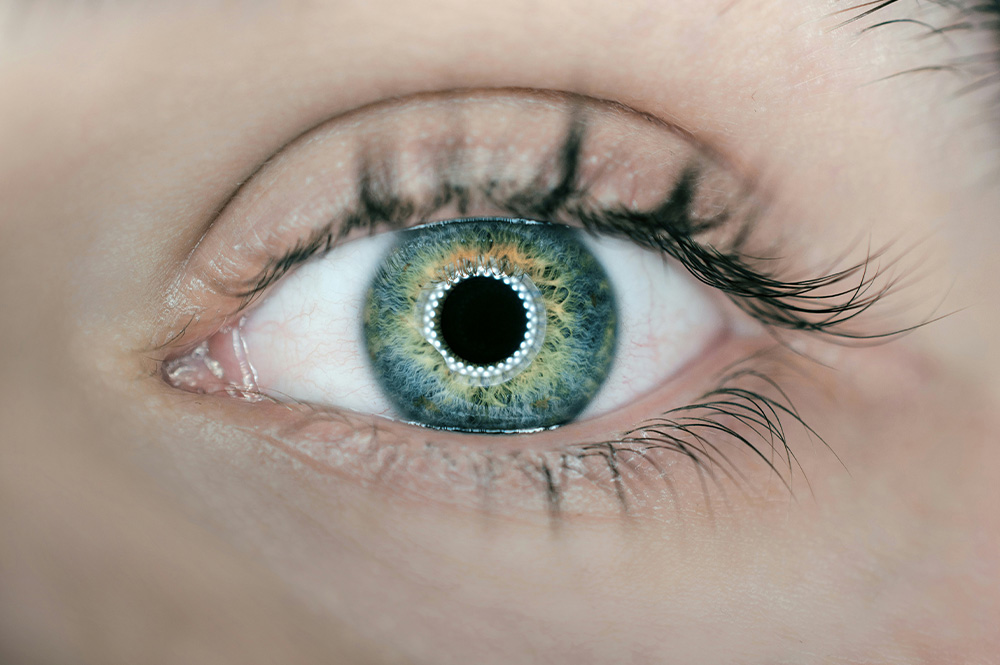
Light adjustable lenses are a new type of intraocular lens (IOL) with a unique characteristic—the lens prescription can be adjusted while it’s in the eye.
An IOL is a replacement for the natural lens within the eye. It’s what’s inserted to replace a diseased cataract lens. Light adjustable lenses have been on the market since 2017. However, the uptake of their use is only now becoming more mainstream, hence many people are unaware of what they actually are.
Understanding More About Light Adjustable Lenses
- The pros of light adjustable lenses
- The cons of light adjustable lenses
The pros of light adjustable lenses
Light adjustable lenses are, exactly as the name suggests, able to be altered while in situ. This is done with a special kind of UV light that’s applied via a piece of apparatus, known as a Light Delivery Device. This is quick, painless, and takes around 30 seconds to perform.
The cataract operation goes ahead as usual, with the only difference being that the light adjustable lens is fitted. Once the eye tissue has sufficiently healed, the prescription is altered and then locked into place. Once this is done, it can’t be changed.
So… What are the advantages of having a light adjustable lens fitted?
The greatest benefit is that the lens can be intricately fine-tuned to the patient’s requirements. One of the greatest challenges of IOL choice is getting the prescription bang on. This is especially relevant in a patient who might have undergone previous refractive surgery (such as laser vision correction) and has, thus, had the shape and character of the cornea altered. This is becoming more significant as the early adopters of laser vision correction are entering the time of life when cataract surgery becomes necessary.
The benefits of light adjustable lenses:
- Extremely accurate levels of post-op vision. Patients who have these groundbreaking lenses fitted are twice as likely to achieve 20:20 vision than those who have an alternative one.
- Remove a significant element of error in determining the level of refractive correction needed: Especially beneficial for trickier calculations, such as in an eye that’s undergone previous laser surgery.
- Reduces the likelihood of needing eyeglasses and/or contact lenses: For some people, this will be an extremely important lifestyle benefit.
- Reduces the need for post-operative alterations: Should a significant vision discrepancy be found after the lens has been implanted and the healing process is underway, the ability to tweak the prescription removes the need for certain types of further surgical intervention.
The cons of light adjustable lenses
Of course, there are always some downsides to technology. In the case of light adjustable lenses, these are:
- They aren’t suitable for everyone: Certain medical conditions would prohibit their use. These include glaucoma, diabetic eye disease, hypersensitivity to UV light, and nystagmus
- You might need multiple post-op sessions: This could cause logistical problems for some.
- You need to stay out of the sunlight until the prescription has been altered and locked in: Depending on the climate, this might be achieved by wearing sunglasses or might necessitate staying out of sunlight altogether.
- The cost: As new technology, light adjustable lenses currently are more expensive than most other IOL options.
Not sure where to start? Compare top-rated cataract surgeons in our directory and read verified patient reviews.
This article is general information about cataract surgery, not medical advice, and it is not a substitute for consultation with a qualified ophthalmologist. Read our medical disclaimer.
Choosing a Cataract Surgeon?
Compare 303 top cataract surgeons with real patient reviews, ratings, and locations.
Browse the directory · Search by ZIP · Read the national guide
Latest Articles
Cataract Surgery with Glaucoma: How Combined MIGS Procedures Work in 2026

Cataract Surgery with Macular Degeneration: Will It Help Your Vision?
Endophthalmitis After Cataract Surgery: Warning Signs, Incidence, and Modern Prevention