What Causes Cataracts?
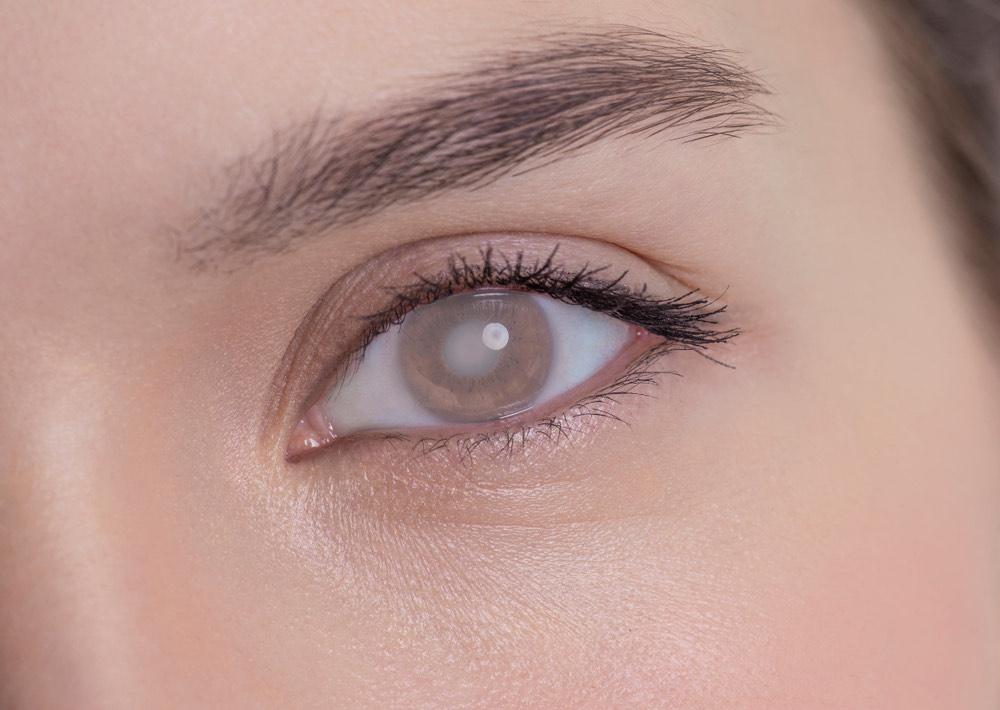
Cataracts are a common condition that tends to be diagnosed after the age of 40. However, while most of us are likely to have a cataract issue later in life, there are also reasons why they might form earlier.
The following looks at the causes of cataracts, the different types, and common conditions that mean you might be more predisposed to them.
Types of Cataract
- Age-related, genetic, disease, and other types of cataract
- Common causes of cataracts
- All about diabetic cataract
Age-related, genetic, disease, and other types of cataract
The most common types of cataracts are those that are age-related. In fact, the World Health Organization says that, by the age of 80, the majority of people either have the condition or have undergone surgery to treat it.
Age-related cataracts tend to begin to form any time from the age of 40. However, because they take many years to evolve, it’s rare to have serious symptoms before the age of 60 or so.
To understand why this is, it’s necessary to have a little understanding of the condition.
Cataracts form when proteins within the eye begin to clump together on the surface of the lens. To see clearly, light needs to be able to flow unobstructed through the lens, but as these gather, they begin to block the passage of light. This process takes many years, hence early diagnosis and monitoring key to defining the right time to carry out cataract surgery.
There are other reasons that cataracts can form earlier in life, such as the following:
- Congenital or hereditary cataracts
- Eye trauma, either from injury or a previous operation on the eye
- Disease, such as diabetes
- Long term use of certain medications, such as corticosteroids
Common causes of cataracts
When it comes to age-related cataracts, there are many lifestyle and environmental reasons that can increase the likelihood of them occurring or that they form earlier. These are aspects that you have control over, making it important to make changes to ensure you lower your risk.
- Excessive exposure to UV rays: This can be countered by wearing a good quality pair of sunglasses while outside
- Smoking: If you smoke, try to take the necessary steps to quit. Seek assistance from your general physician or a stop-smoking service if you’re struggling
- Excessive alcohol consumption: Cutting down to a healthy level is hugely beneficial. Again, seek help if needed
- Poor diet: Try to ensure that you consume the recommended amounts of protein, carbs, and healthy fats each day. A nutritionist can help if you need advice to do so
- Obesity: If you’re overweight, take steps to try and reduce this to a level recommended for your weight and build. There is plenty of medical/fitness assistance if you feel the need for a helping hand
All about diabetic cataract
Diabetic cataract is a condition brought about by both Type I and Type II diabetes. Because the disease has a direct impact on eye health, it’s essential to partner with an eye doctor experienced in treating complications that can occur. Diabetic cataract is one such condition, as is diabetic retinopathy. Both are sight-threatening conditions that can, thankfully, be monitored and treated.
Diabetic eye disease is serious and needs to be countered with a combination approach of clinical care and lifestyle and environmental factors. This is the best way to ensure that your eyesight remains healthy throughout your life and, if a problem occurs, that it’s dealt with promptly by an expert source.
Ready to take the next step? Browse our directory of top cataract surgeons and read real patient reviews before you choose.
This article is general information about cataract surgery, not medical advice, and it is not a substitute for consultation with a qualified ophthalmologist. Read our medical disclaimer.
Choosing a Cataract Surgeon?
Compare 303 top cataract surgeons with real patient reviews, ratings, and locations.
Browse the directory · Search by ZIP · Read the national guide
Latest Articles

Cataract Surgery with Glaucoma: How Combined MIGS Procedures Work in 2026

Cataract Surgery with Macular Degeneration: Will It Help Your Vision?

Endophthalmitis After Cataract Surgery: Warning Signs, Incidence, and Modern Prevention