What Does it Mean for Cataracts to be Ripe
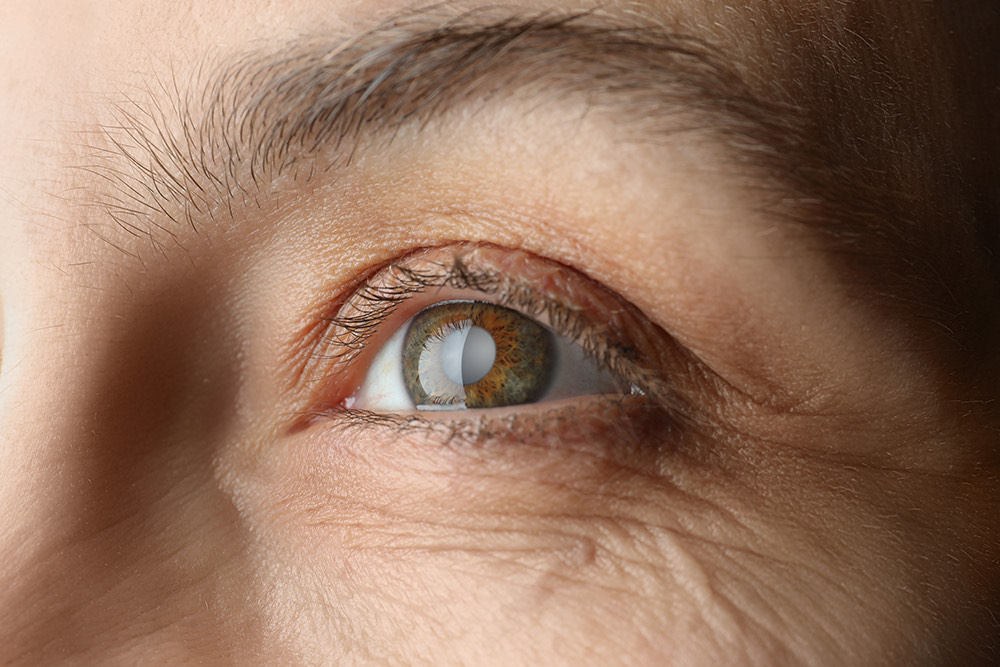
The short answer: a "ripe" cataract simply means it has developed to the point where surgery is now considered worthwhile. Ripeness is not an emergency: your ophthalmologist monitors progression and schedules surgery when symptoms such as blurred vision, glare, night-driving difficulty, or frequently changing prescriptions start interfering with daily life.
A term that’s sometimes heard regarding cataracts is that they’ve become “ripe”. All this means is that the condition has evolved to a stage where it’s now considered right to operate.
The following looks at the symptoms likely to be experienced when cataracts have become ripe, as well as the options that your ophthalmologist will discuss with you regarding surgery.
My Cataracts are Ripe. What Now?
- Cataracts ripe for operation—the choices you have
- Cataracts ripe—the symptoms to expect
Cataracts ripe for operation—the choices you have
Once your cataracts have been deemed ready for removal, you and your ophthalmologist will have a discussion as to how to approach this.
There are two types of cataract procedures: traditional and laser. The type that is right for you will depend on a variety of factors. The first and, perhaps the most important, is to discuss whether or not you want the procedure to be funded by insurance.
Many policies, including Medicare, will only pay for a traditional cataract procedure. If this is the case, then you only have a single option for the type of lens to be fitted—that of a mono-focal lens. This means that you’ll need to choose between having good vision at near distance or far distance. Whichever you decide, you’ll be given corrective eyeglasses for the opposite one. Most insurances will cover a single pair of glasses to account for this.
If this is the case, then there are no more decisions to make. However, if you want to select a more advanced procedure, then the next step is to explore the options with your surgeon.
This will revolve around the different types of advanced intraocular lenses available. It might also mean that any astigmatism can be corrected during the procedure. Advanced IOLs and astigmatism treatment can only be performed using laser-assisted cataract surgery.
Cataracts ripe—the symptoms to expect
When cataracts are deemed ripe, you’ll likely be experiencing some or all of the following symptoms:
- Blurred vision
- Double vision
- Seeing halos around lights
- Frequently changing prescriptions
- Yellowing or fading of color perception
- Difficulty in seeing at night—many people find driving at night particularly challenging
- Needing additional light sources to see close up, such as when reading
- Sensitivity to light
- Dim vision
While these can be somewhat alarming, you should rest assured that today’s cataract procedures are highly effective. This includes both traditional and laser cataract surgery. In fact, virtually 100% of all the millions of operations carried out each year have the desired results.
Once you’ve been diagnosed with cataracts, your ophthalmologist will regularly monitor their evolution. When the time is right (AKA, they’re ripe) surgery will be scheduled. Because they form very slowly, you might find that it’s years—or even decades—from diagnosis to treatment.
However, it’s considered that by the age of 80+, virtually everyone will either have had cataracts diagnosed or will have had them removed.
Related reading: What to Expect 6 Months After Cataract Surgery and Who Are the Best Cataract Surgeons in the United States?.
Ready to take the next step? Browse our directory of top cataract surgeons and read real patient reviews before you choose.
This article is general information about cataract surgery, not medical advice, and it is not a substitute for consultation with a qualified ophthalmologist. Read our medical disclaimer.
Choosing a Cataract Surgeon?
Compare 304 top cataract surgeons with real patient reviews, ratings, and locations.
Browse the directory · Search by ZIP · Read the national guide
Latest Articles

Toric IOL for Astigmatism: A Surgeon's 2026 Guide

Same-Day Cataract Surgery on Both Eyes (ISBCS): A Surgeon's 2026 Guide
Pseudoexfoliation Syndrome and Cataract Surgery: What Patients Should Know