Cataract Surgery in Younger Adults: What You Should Know
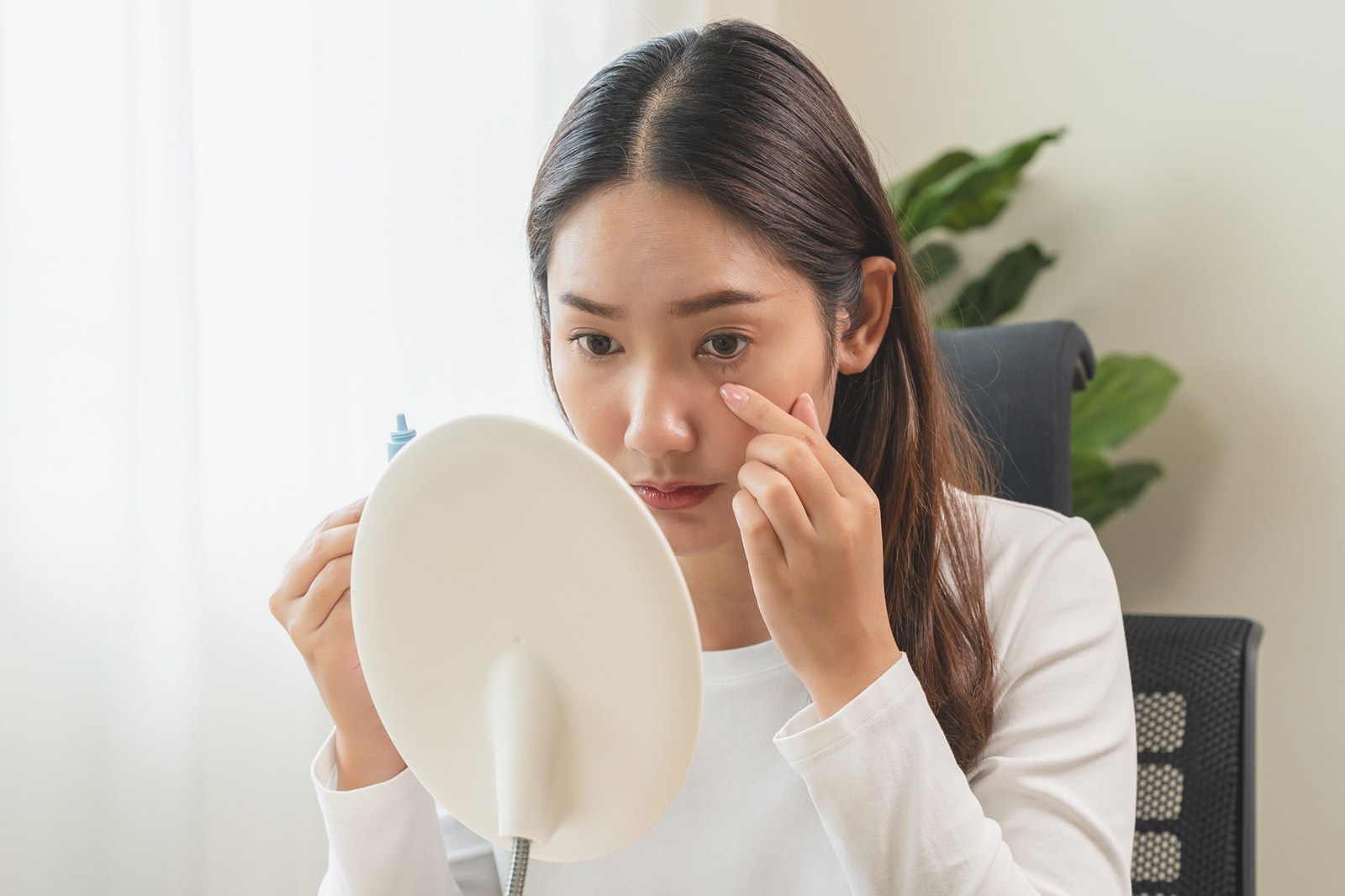
Cataracts… They’re something that only affects old people, right? Uh-uh—that’s a complete fallacy, because early onset cataracts are something that can happen to anyone. Indeed, even babies can be born with the condition (but that’s a different subject entirely)
It’s true that the vast majority of cataracts are diagnosed after the age of about 60, with surgery commonly taking place when a person is in their 70s or 80s. But specialist ophthalmologists regularly carry out cataract surgery in under 50-year-olds too.
Early Onset Cataracts: Everything You Need to Know
Cataracts are a natural part of ageing, which is why pretty much everyone will get them if they get to live to a ripe old age. But there are certain conditions, lifestyle habits, and genetics that can speed up their formation.
Some you can do something about, and some you can’t. But being aware of the underlying causes means you can take action throughout your life—even if that only action is to ensure your eyes are monitored regularly. (Yes, as one of the leading cataract surgery providers in the US, if you only take one thing away from this article, it’s to ‘never miss your annual or bi-annual eye exam’).
The following are some of the most common reasons that we diagnose patients with cataracts in their 40s, 50s, or sometimes even younger…
- Previous eye trauma: This could be from an accident, such as a severe blow to the eye or eye area, or a penetrating injury. It can also be down to previous eye surgery, as any operation causes tissue trauma.
- Being diabetic: Either type 1 or 2 is relevant. High blood sugar is known to trigger cataracts and hasten their evolution. So, if you’re diabetic, we can’t stress enough how important it is to keep your sugars under control, adhere to your prescribed medication, regularly test your blood glucose levels, and attend your diabetic eye appointments.
- Obesity: Carrying on from the blood sugar risks above, being very overweight and having a high blood glucose tends to go together. If you’ve been told you’re pre-diabetic, then there are many things you can do to reverse this, with losing weight being the primary one. Yes, we know it’s hard, but it’s the best thing you’ll ever do for your health, both for your eyes and your entire body.
- Alcohol and smoking: OK, so you don’t need to be told about smoking. You know it’s the worst thing you can do for your health and longevity. Plus, you now know that it can increase your likelihood of early onset cataracts too. So, it’s time to get acquainted with nicotine patches and other stop-smoking help. As for alcohol…? Well, we’re not total killjoys. Just make sure you enjoy it responsibly, because regular heavy drinking is associated with a higher risk of developing cataracts.
- Certain medical conditions: Such as autoimmune diseases and certain inherited genetic conditions. While there’s nothing you can do about this, you can try to follow a reasonably healthy lifestyle and, yet again, always get your eyes checked regularly. (Yes, there’s a theme developing here…).
- Medication: Some drugs may also hasten the onset of cataracts. These include long-term steroids, some diuretics, and some tranquilizers. We are absolutely not suggesting that you don’t take them, just that—you’ve got it—you have a comprehensive eye test at least every second year.
There is also mounting evidence that too much UV light and being deficient in essential minerals and vitamins may also play a role. So…. Wear decent sunglasses that prevent the light coming in from all angles and try to eat a healthy diet. Supplements can help if you find you often end up deficient in certain vitamins or minerals. But don’t fall into the mega-dosing supplement trap. All that happens if you give your body too much is that your liver and kidneys have to work extra hard to filter them out, and they get excreted in your urine.
If you are unlucky enough to be diagnosed with cataracts at a younger age, be sure to partner with an ophthalmologist who’s experienced at performing cataract surgery in younger patients.
Ready to take the next step? Browse our directory of top cataract surgeons and read real patient reviews before you choose.
This article is general information about cataract surgery, not medical advice, and it is not a substitute for consultation with a qualified ophthalmologist. Read our medical disclaimer.
Choosing a Cataract Surgeon?
Compare 303 top cataract surgeons with real patient reviews, ratings, and locations.
Browse the directory · Search by ZIP · Read the national guide
Latest Articles
Cataract Surgery with Glaucoma: How Combined MIGS Procedures Work in 2026

Cataract Surgery with Macular Degeneration: Will It Help Your Vision?

Endophthalmitis After Cataract Surgery: Warning Signs, Incidence, and Modern Prevention