New Tech in Cataract Surgery: Light-Adjustable Lenses Explained
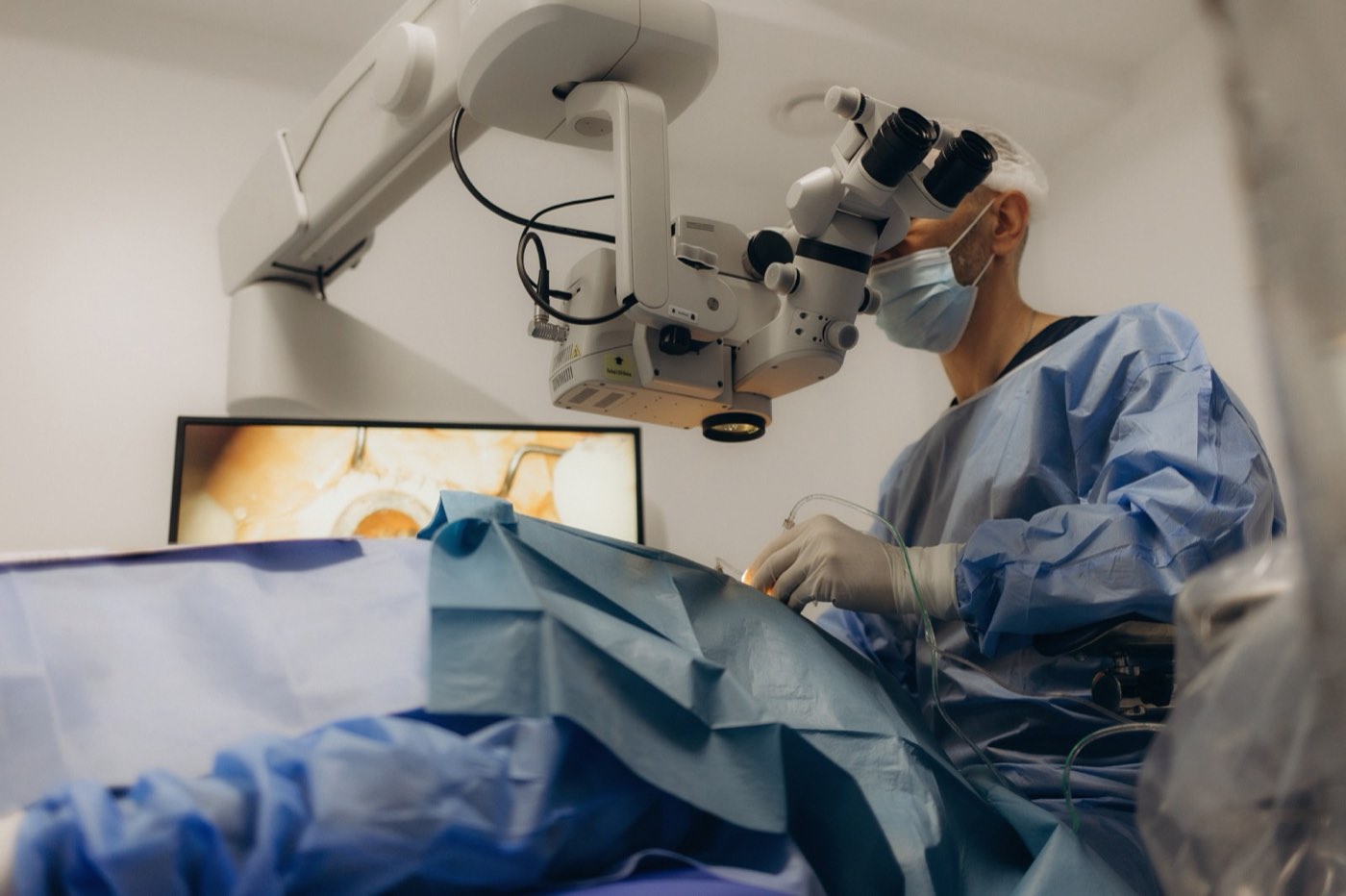
Light-adjustable lenses (LALs) are one of a group of premium intraocular lenses (IOLs) that are available if you undergo laser-assisted cataract surgery. The first of their kind, the RxSight IOL, was given FDA approval in November 2017, ushering in a whole new era of post-surgery vision correction.
Cataract surgery involves the removal of the natural, cataract-diseased lens and replacing it with an artificial one—an IOL. Technology has brought us many different kinds of these, but the light-adjustable version is the only one that can have the prescription changed when it’s in the eye.
Now… This isn’t quite as versatile as it first sounds. It doesn’t mean that you have a lifetime of tweaking ahead. Instead, the surgeon can alter the prescription as many times as necessary in the weeks after surgery. Once correct, it’s locked in place and can no longer be altered. There are many reasons that such a lens might be considered, and, for a variety of situations, can be hugely beneficial.
Light-Adjustable Lens, Cataract Surgery, & the Beauty of Targeted Vision Correction
The fast-evolving world of medical tech is bringing more and more individualized treatment, and LALs are a great example. The ability to fine-tune the prescription in the eye is pretty revolutionary, and something that can be considered in many situations.
Some of the reasons a cataract surgeon might suggest an LAL include:
- Previous laser vision correction: If you’ve undergone LASIK or another corrective procedure, it can sometimes be more challenging to determine the correct prescription for your IOL. Being able to alter this in situ removes this margin of error.
- You have astigmatism: An LAL is a good choice here, as it can correct such refractive errors and be tweaked post-op for the best result. The same may also be true if you have presbyopia or any other unusual eye characteristics.
- You’re keen to reduce reliance on eyeglasses or contacts: Because they can be tailored in real time, there’s a very real chance that you might not have to rely on additional vision correction aids.
One common question about LALs is whether they provide clear vision at different distances. While it’s a monofocal lens, meaning that the focus is set for a single distance, its unique makeup means it avoids common issues of multifocal lenses, like glare and halos. Because the LAL can be finely adjusted to your personal eye requirements to achieve superior refractive error correction, this tends to provide better overall vision that can result in reduced reliance on eyeglasses.
Another option is for one eye to be set for near vision and the other for far. An LAL allows you to “road test” this option and, if you don’t get on with it, it can easily and quickly be altered.
How Post-Surgery Vision Correction with an LAL Works
After your cataract op, you’ll need to wait around 2-3 weeks for adequate healing to take place. During this time, you’ll wear special glasses during the day to prevent any light exposure from causing changes.
You’ll then revisit your surgeon for a vision assessment and a further discussion about the vision you’d like to achieve. The lens will be altered using a special light delivery tool. This is quick, painless, and performed in the doctor’s office. You might need 3-4 sessions, performed around a week or so apart, to achieve the desired result. And yes, you will need to continue wearing the post-op glasses during this time.
But… Once you’re happy, the prescription is then locked in for good. From then on, you’re free to enjoy your brand-new vision unencumbered, although there may be a need for supportive eyeglasses for, perhaps, close-up focus in some cases.
LALs are one of a fast-growing range of premium IOLs that offer advanced, tailored vision correction after cataract surgery. With eyesight being probably the most important of all the senses, it’s no surprise that more and more people are keen to find out more.
Ready to take the next step? Browse our directory of top cataract surgeons and read real patient reviews before you choose.
This article is general information about cataract surgery, not medical advice, and it is not a substitute for consultation with a qualified ophthalmologist. Read our medical disclaimer.
Choosing a Cataract Surgeon?
Compare 303 top cataract surgeons with real patient reviews, ratings, and locations.
Browse the directory · Search by ZIP · Read the national guide
Latest Articles

Cataract Surgery with Glaucoma: How Combined MIGS Procedures Work in 2026

Cataract Surgery with Macular Degeneration: Will It Help Your Vision?

Endophthalmitis After Cataract Surgery: Warning Signs, Incidence, and Modern Prevention