How Long Can Cataract Surgery Be Postponed?
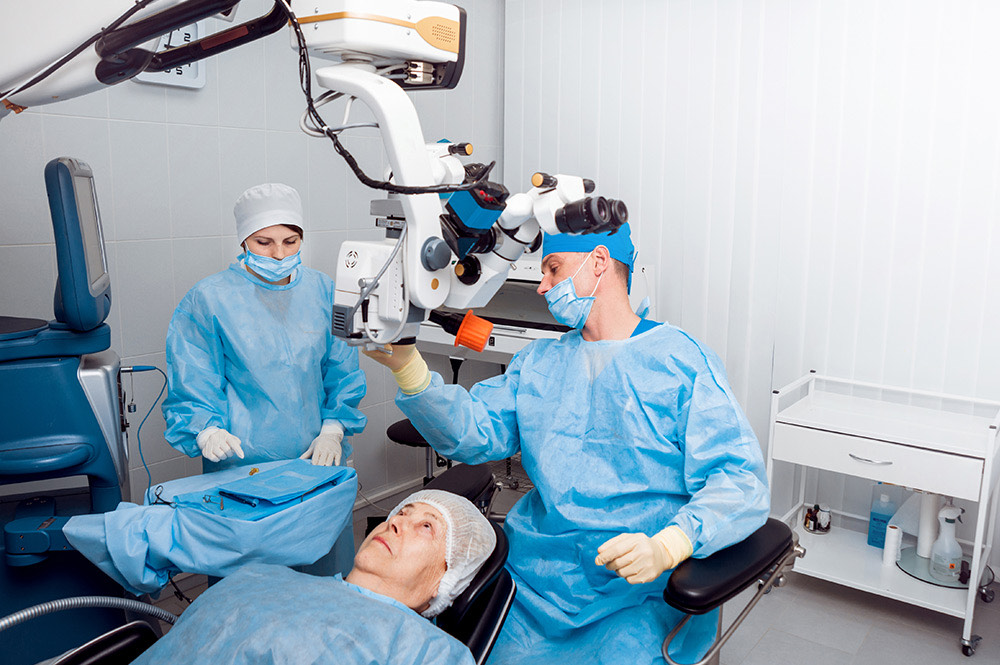
Cataracts take years—often decades—to evolve to the stage where you need surgery. However, once deemed to be “ripe”, then you’ll be advised that a simple surgical procedure will be needed to prevent further vision deterioration.
But when is the time right? Can you wait a while? What will happen if you do?
These and other FAQs are all answered below…
I’m Not Sure that I’m Ready for Cataract Surgery
- Why has my ophthalmologist said I need cataract surgery?
- I’m not ready. How long can cataract surgery be postponed and what will happen?
Why has my ophthalmologist said I need cataract surgery?
Once diagnosed with cataracts, your eye doctor will carefully monitor their progression. Only when they’ve evolved to the stage that they’re having a considerable impact on day-to-day vision will you be told that you need surgery.
The problem is that, because eyesight usually worsens very (very!) gradually, you might not have realized quite how much you’re missing out on. But your eye tests are tantamount proof of deteriorating vision. Your ophthalmologist will be measuring this and will advise when the optimal time for surgery is.
I’m not ready. How long can cataract surgery be postponed and what will happen?
Because cataracts have such a gradual onset, many people delay their operation for a variety of reasons. These include:
Being worried about a surgical procedure—either because of fear of pain, side effects, or both.
Saving up to afford a more advanced form of cataract surgery (laser-assisted cataract surgery and premium intraocular lenses aren’t usually covered by Medicare).
Mistakenly thinking that their vision loss isn’t too severe.
In reality, delaying a cataract operation by a few months isn’t usually a big deal. However, what many people fail to understand is that as a cataract grows, surgery becomes riskier. Larger cataracts can also increase the risk of developing glaucoma and other vision-related issues.
If you’ve been told that you should have a cataract operation, then this should be done sooner rather than later. The risks of delaying for too long include:
- Increasingly poor night vision: This is very common and many people with evolving cataracts find they end up being unable to drive at night.
- Affecting daily life: Like reading, viewing a screen (computer, phone, tablet, etc.), using gadgets, and performing intricate hobbies, such as sewing, cross-stitch, knitting, making models…).
- Increased recovery period: The longer you wait for your cataract op, the more prone you are to risk, complications, side effects, and the return to normal vision.
- The risk of hyper-maturity: If left too long, a cataract will mature to the stage when it becomes more difficult to remove. In turn, this increases all the associated risks and extends the recovery time.
- Blindness: Cataracts are the leading cause of blindness around the world. While your ophthalmologist can give a rough indication of the speed of their progression, there’s always the chance that this will suddenly increase. Therefore, having your cataract operation as soon as you’ve been advised is the best course of action.
Use our directory to find a top cataract surgeon near you and compare real patient reviews before you decide.
This article is general information about cataract surgery, not medical advice, and it is not a substitute for consultation with a qualified ophthalmologist. Read our medical disclaimer.
Choosing a Cataract Surgeon?
Compare 303 top cataract surgeons with real patient reviews, ratings, and locations.
Browse the directory · Search by ZIP · Read the national guide
Latest Articles

Cataract Surgery with Glaucoma: How Combined MIGS Procedures Work in 2026

Cataract Surgery with Macular Degeneration: Will It Help Your Vision?

Endophthalmitis After Cataract Surgery: Warning Signs, Incidence, and Modern Prevention